Understanding gambling addiction A guide to awareness and support
Defining Gambling Addiction
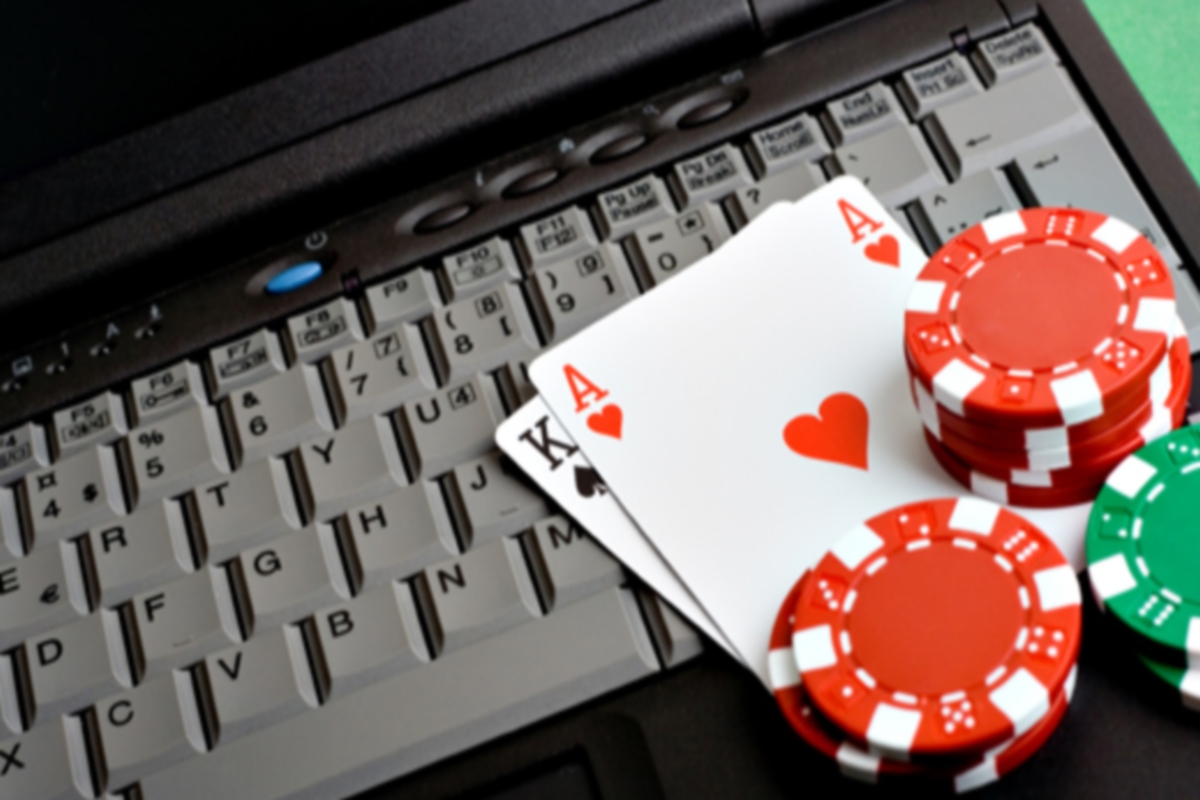
Gambling addiction, also known as compulsive gambling or pathological gambling, is a behavioral disorder characterized by an uncontrollable urge to engage in gambling activities despite negative consequences. This addiction can take various forms, such as betting on sports, playing poker, or engaging in online casino games. The thrill associated with winning can create a powerful reinforcement loop, leading individuals to gamble more frequently and with larger sums, even when it jeopardizes their financial stability and personal relationships. As players explore the latest offerings, they might come across new pay id pokies that provide a fresh experience.

One of the key features of gambling addiction is the inability to control the behavior. Individuals may rationalize their gambling habits, believing they can recover losses or that a big win is just around the corner. This mindset can contribute to escalating debts and a cycle of chasing losses that is difficult to escape. The emotional toll can be significant, leading to feelings of guilt, shame, and anxiety as the individual becomes increasingly trapped in their gambling behavior.
Recognizing gambling addiction is crucial for early intervention. Symptoms may include preoccupation with gambling, lying to loved ones about the extent of gambling, and neglecting responsibilities. Additionally, individuals may resort to illegal activities to fund their gambling habits or resort to borrowing money. Understanding these signs is the first step toward seeking help and breaking the cycle of addiction.
The Impact of Gambling Addiction
The ramifications of gambling addiction extend far beyond the individual, impacting families, communities, and society as a whole. Financial distress is often the most immediate effect, leading to substantial debts, bankruptcy, and even homelessness. Families may face emotional turmoil, as relationships strain under the weight of deceit and financial instability. Children in these households may experience neglect or emotional abuse, which can have lasting effects on their mental health and development.
Furthermore, gambling addiction can lead to mental health issues, including depression, anxiety, and substance abuse. The stress of maintaining the addiction can lead individuals to self-medicate, creating a cycle of addiction that intertwines gambling with drugs or alcohol. It’s not uncommon for those struggling with gambling addiction to feel isolated, as they may withdraw from social connections and supportive relationships, compounding their emotional distress.
On a broader scale, gambling addiction can impose significant costs on society, including increased healthcare expenses, loss of productivity, and criminal justice involvement. Communities may experience rising rates of crime related to theft or fraud as individuals struggle to fund their gambling habits. Recognizing and addressing the impact of gambling addiction is essential for creating supportive environments that foster recovery and rehabilitation.
Recognizing the Signs of Gambling Addiction
Awareness of the signs of gambling addiction is vital for both individuals and their loved ones. Common indicators include an obsessive preoccupation with gambling, an increasing need to gamble larger amounts of money to achieve the same level of excitement, and withdrawal symptoms when not gambling. People may also become irritable or restless when attempting to cut back on gambling, indicating a dependence on the behavior.
Changes in behavior, such as lying about gambling habits or neglecting personal and professional responsibilities, can signal a deeper issue. Individuals may also resort to borrowing money or engaging in illegal activities to fund their gambling, further complicating their situation. Understanding these behaviors can prompt necessary discussions and encourage individuals to seek help before the situation escalates.
If you or someone you know exhibits these signs, it’s crucial to approach the situation with compassion and understanding. Starting a dialogue about gambling habits can be challenging, but it’s an essential step in supporting someone who may be struggling. Many resources are available, including support groups and professional counseling, to help individuals navigate their recovery journey.
Seeking Help and Support
Finding the right support is essential for overcoming gambling addiction. Professional counseling, therapy, and support groups can provide a safe space for individuals to share their experiences and learn coping strategies. Cognitive Behavioral Therapy (CBT) is particularly effective, as it addresses the underlying thought patterns that contribute to the addiction, helping individuals to develop healthier behaviors and attitudes toward gambling.
Support groups, such as Gamblers Anonymous, offer peer support and a sense of community for individuals in recovery. These groups provide a non-judgmental environment where members can share their experiences, challenges, and successes. The camaraderie found in these settings can be instrumental in maintaining motivation and accountability during the recovery process.
In addition to professional help, involving family members in the recovery process can foster understanding and support. Family therapy can help to heal relationships strained by gambling addiction, allowing families to work together toward recovery. Encouragement from loved ones can serve as a powerful motivator for individuals seeking to overcome their addiction and rebuild their lives.
About Our Website
Our website serves as a comprehensive resource for understanding gambling addiction and its impact on individuals and families. We strive to provide valuable information, resources, and support options for those seeking help or looking to better understand this complex issue. By raising awareness, we hope to encourage open discussions about gambling and its consequences, reducing stigma and promoting recovery.
Through expert insights, personal stories, and guidance, our platform aims to empower individuals to take control of their gambling habits. We believe that everyone deserves a second chance and that recovery is possible with the right support and resources. We invite you to explore our content, share it with others, and join us in promoting a healthier approach to gambling awareness and support.
Leave a Reply